
Salvaged Timber Prepared for New Builds
Reclaimed Wood Processing in Rock Island for builders and property owners who want to repurpose wood from demolished structures or salvaged sources
Barns, factories, and old homes contain wood that has aged for decades, developing color patinas and tight grain structure that new lumber can't replicate. Reclaimed wood processing at QC Sawmill involves cleaning salvaged material, removing nails and hardware, inspecting for structural integrity, and cutting boards to usable dimensions for new construction or custom furniture projects in Rock Island. This process diverts wood from landfills while providing material with character that matches historic renovations or adds contrast in modern designs where weathered texture complements clean lines.
Processing begins with de-nailing—using metal detectors to locate embedded fasteners, then extracting them without splitting the wood—followed by planing or sanding to remove surface dirt and reveal the underlying grain. Boards are inspected for rot, insect damage, and structural soundness, with unusable sections cut away and sound material sorted by species, thickness, and color consistency. Service availability extends to Moline where salvaged wood from area demolitions can be processed and prepared for resale or custom builds.
Request a material evaluation to discuss salvaged wood processing needs and determine whether your reclaimed lumber is suitable for milling and reuse.
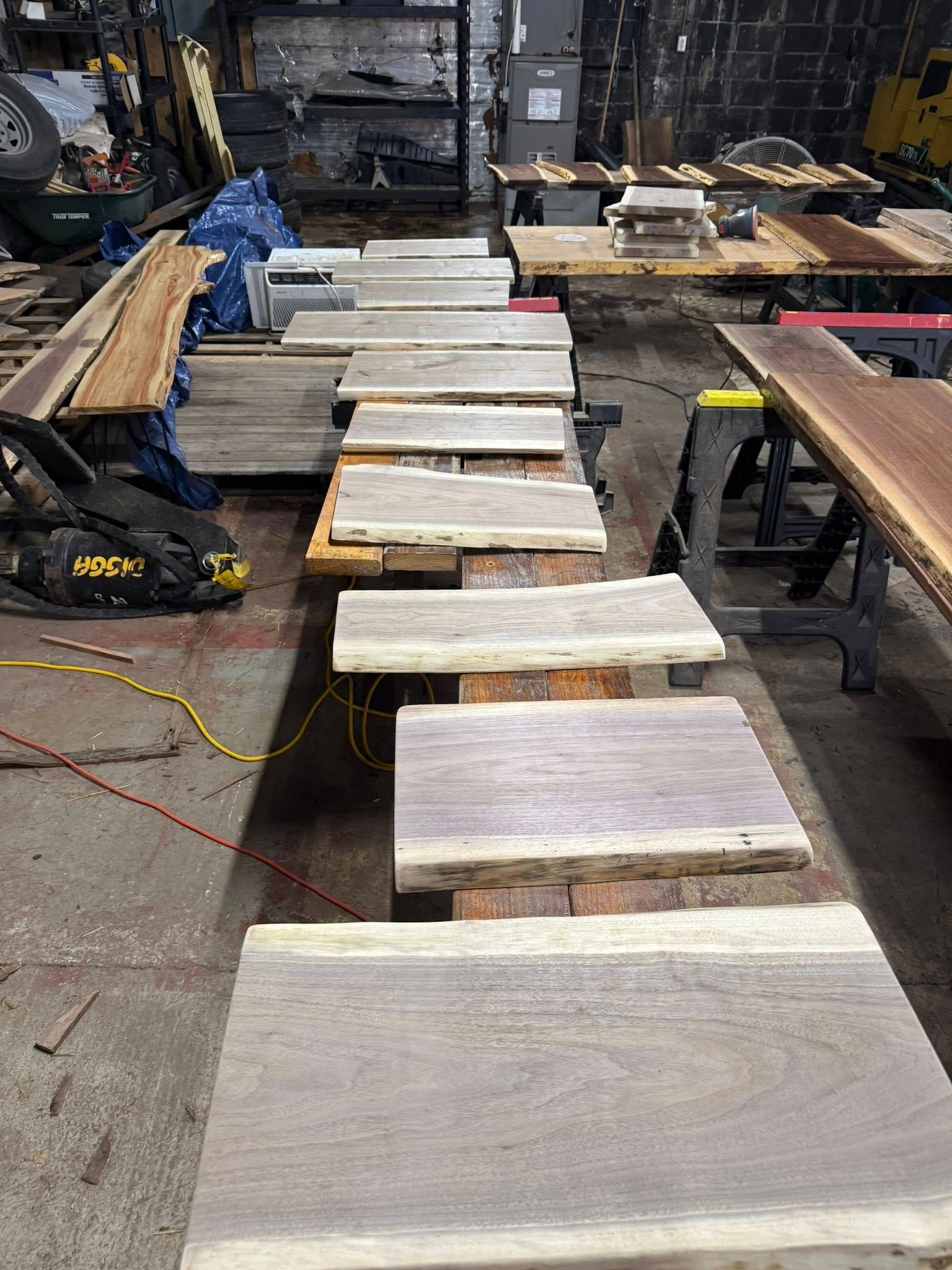
What Reclaimed Processing Achieves for Sustainability Goals
Each processing run involves cutting boards to consistent widths and lengths, planing surfaces smooth enough for finish application, and grading material based on appearance—select grade for clear, even-colored sections and rustic grade for boards with nail holes, checks, and color variation. Metal detection and removal prevent blade damage during subsequent cutting or planing, and moisture content is measured to confirm the wood has stabilized and won't warp after installation. Quality control separates structural lumber suitable for framing or support beams from thinner material better suited for decorative paneling or furniture accents.
After processing, you'll see boards milled to uniform dimensions that integrate with new lumber in construction projects, surfaces cleaned of grime and oxidation that reveal the wood's original color and figure, and material sorted by grade so you can allocate the best pieces to visible applications while using lower grades where appearance matters less. The wood retains its aged character—color shifts from decades of exposure, tight grain from slow growth, and weathering patterns that add visual depth—while becoming structurally reliable for load-bearing or finish work.
Processing includes de-nailing, cutting, and basic surface preparation, but does not include custom milling to exotic dimensions or kiln drying if the wood requires further moisture reduction. Buyers are responsible for transporting processed material unless delivery arrangements are coordinated separately.
Answers to Reclaimed Wood Questions
Builders and homeowners often ask about structural reliability, processing costs, and how reclaimed wood compares to new lumber in terms of durability and workability.
What makes reclaimed wood structurally sound after decades of use?
Wood that has remained dry and free of rot retains its structural strength indefinitely, and old-growth timber often has tighter growth rings than modern lumber, making it denser and more resistant to splitting under stress.
How is metal removed without damaging the wood?
Metal detectors locate fasteners below the surface, then nails are pulled or cut flush using pneumatic tools that minimize splitting, with any remaining metal ground down during planing if extraction would compromise board integrity.
What species are commonly found in reclaimed sources?
Barns and old structures in Rock Island often contain oak, pine, and Douglas fir, with oak used for framing due to its strength and pine for siding or interior finishes due to its workability and availability during earlier construction eras.
Can reclaimed wood be used for structural framing?
Boards must be graded for structural soundness—checking for cracks, rot, or excessive wear—and meet dimensional requirements for load-bearing applications, but sound reclaimed lumber performs identically to new material when properly evaluated and installed.
How does processing cost compare to buying new lumber?
Reclaimed processing involves labor for de-nailing and cleaning that new lumber doesn't require, but the material cost is often lower than purchasing premium hardwoods, and the aesthetic value of aged wood can justify the processing expense for high-visibility projects.
QC Sawmill prepares salvaged wood for construction and custom projects, reducing waste while providing material that offers visual character unavailable in freshly milled lumber. Bring samples or photos of your reclaimed material to discuss processing options and evaluate whether the wood meets quality standards for your intended application.