
Mantels That Define the Room's Character
Fireplace Mantels in Rock Island for homeowners transforming the fireplace into a commanding focal point
A custom wood mantel changes the entire presence of a fireplace wall, shifting it from a functional heating element to the room's defining architectural feature. The mantel serves as both a visual anchor and a practical surface for displaying objects, framing the firebox, and establishing the style tone—whether rustic with rough-hewn texture or modern with clean lines and minimal detail. QC Sawmill builds fireplace mantels in Rock Island using solid wood construction that supports the weight of objects placed on the shelf while maintaining structural integrity over decades of exposure to heat cycles and humidity changes.
Mantel construction involves selecting wood species and dimensions, determining the projection depth and height relative to the firebox opening, and shaping the profile to match the desired aesthetic. The design accounts for clearance requirements from the firebox to meet safety standards, while the mounting method ensures the mantel remains securely fastened to the wall structure. Finish options range from natural stains that emphasize grain patterns to painted surfaces that integrate with trim work elsewhere in the room.
Arrange a design consultation to review mantel styles and plan a piece that complements your fireplace and room layout.
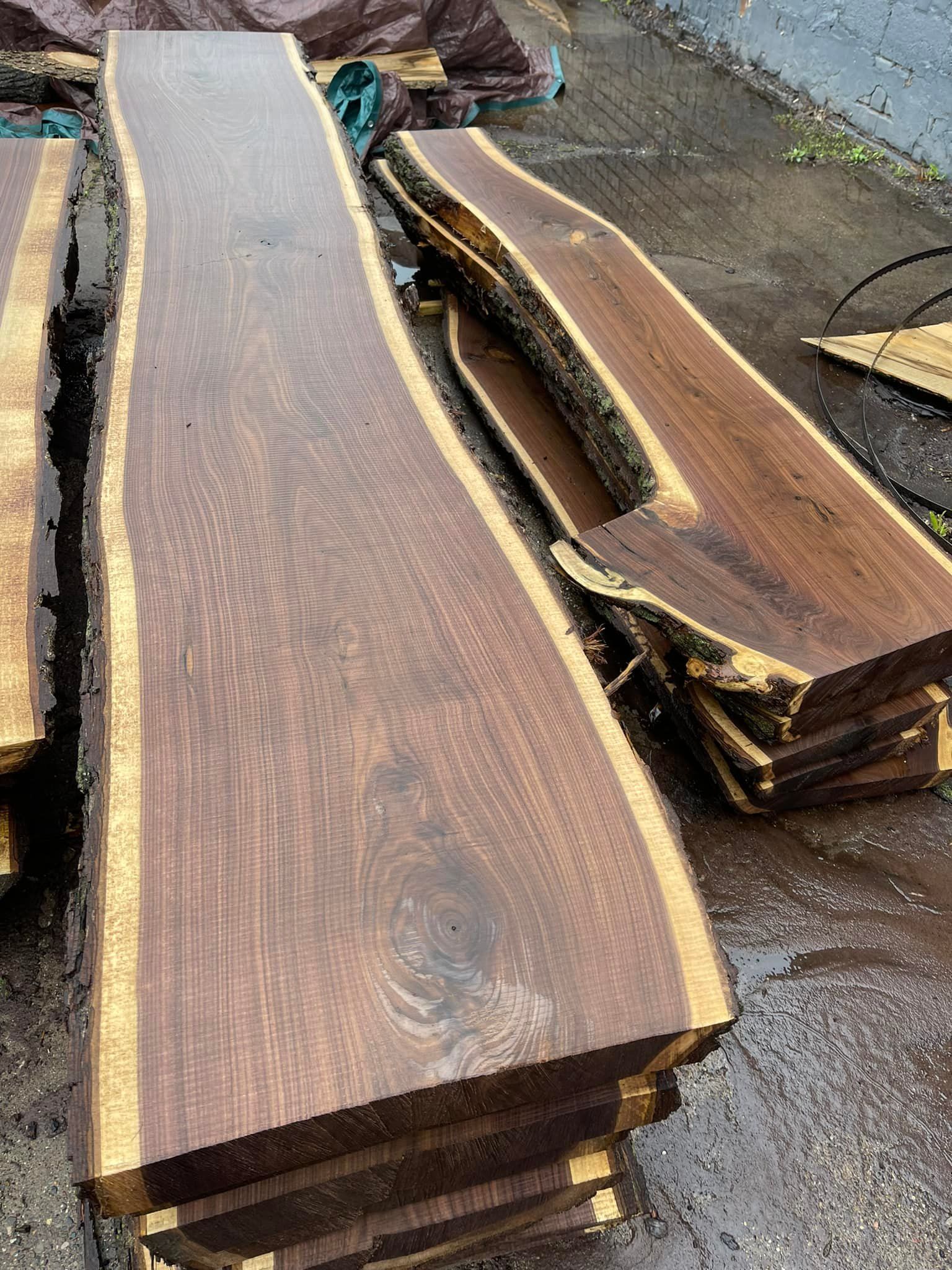
How Mantels Are Built for Durability and Visual Impact
Mantel construction uses solid wood beams or assembled components joined with mortise and tenon joinery, pocket screws, or through-bolts depending on the design complexity. Thicker mantels—often 4 to 6 inches in height and 8 to 12 inches in depth—provide the visual weight needed to balance large fireplace openings, while corbels or brackets add decorative support elements that reinforce the structure. Wood is kiln-dried before construction to minimize movement, and the finish is applied before installation to ensure even coverage on all surfaces.
Once installed, the mantel becomes the organizing element of the room, drawing attention to the fireplace and providing a ledge for seasonal decor, framed photos, or functional items like clocks and candles. The wood's grain and finish add warmth to the wall surface, and the mantel's scale and profile establish whether the fireplace reads as traditional, contemporary, or rustic. QC Sawmill builds mantels that integrate with both masonry and prefabricated fireplace units, adapting the design to existing wall conditions and client preferences.
Design decisions include whether to incorporate side pilasters or legs that extend to the floor, the degree of surface texture or distressing, and how the mantel relates to surrounding trim, built-ins, or stone or tile surrounds. Rustic mantels may feature hand-hewn edges, visible saw marks, or live edge details, while modern designs emphasize straight lines, smooth finishes, and minimal ornamentation. Wood species selection affects color and grain—reclaimed barn wood offers weathered character, walnut provides deep tones, and oak delivers prominent grain with traditional appeal.
Answers to Frequent Service Questions
Clients in East Moline often want to understand the practical considerations before commissioning a custom mantel.
What wood species work best for fireplace mantels?
Hardwoods like oak, maple, and walnut provide the density and stability needed to resist warping from heat exposure, while reclaimed wood adds character and a sense of history to the installation.
How far must the mantel be positioned from the firebox opening?
Code requirements typically mandate a minimum clearance based on the mantel's projection depth, with greater distances required for mantels that extend further from the wall to reduce fire risk from radiant heat.
What mounting methods ensure the mantel stays secure?
Mantels are fastened to wall studs using lag bolts, French cleats, or concealed brackets depending on the design, with the mounting system hidden from view while supporting the mantel's weight and any objects displayed on it.
How do rustic and modern mantel designs differ in construction?
Rustic mantels often use rough-sawn or hand-hewn beams with visible texture and irregular edges, while modern designs feature milled lumber with smooth surfaces, sharp edges, and minimal decorative elements.
When should the mantel be installed relative to other fireplace work?
Mantel installation typically occurs after any stone, tile, or brick surround work is completed, allowing the mantel to be fitted precisely to the finished wall surface and ensuring proper clearance from all materials.
QC Sawmill designs and installs custom mantels that serve as the centerpiece of your living space. Contact us to begin planning a mantel that fits your fireplace and design vision.