
Shelving That Fits Exactly Where You Need It
Custom Wood Shelves in Rock Island for walls that need both storage capacity and visual appeal
Standard shelving rarely fits the exact dimensions of your wall space or supports the specific items you need to store and display. Custom wood shelves are built to precise measurements, accounting for ceiling height, wall obstructions, and the weight requirements of books, equipment, or decorative objects. QC Sawmill fabricates custom shelving solutions in Rock Island that function as both practical storage and design elements, using solid wood construction that supports heavy loads without sagging or requiring excessive brackets. These shelves integrate with your room's layout and style, whether you need floating shelves that appear to emerge from the wall or traditional bracket-mounted units that span entire walls.
The design process involves measuring the available wall space, determining shelf depth and spacing based on what will be stored, and selecting wood species and finish to match existing furniture or trim. Mounting methods vary depending on whether the shelves are cantilevered, bracket-supported, or built into recessed alcoves, with each approach affecting both appearance and load capacity.
Schedule a consultation to discuss your shelving needs and review design options for your space.
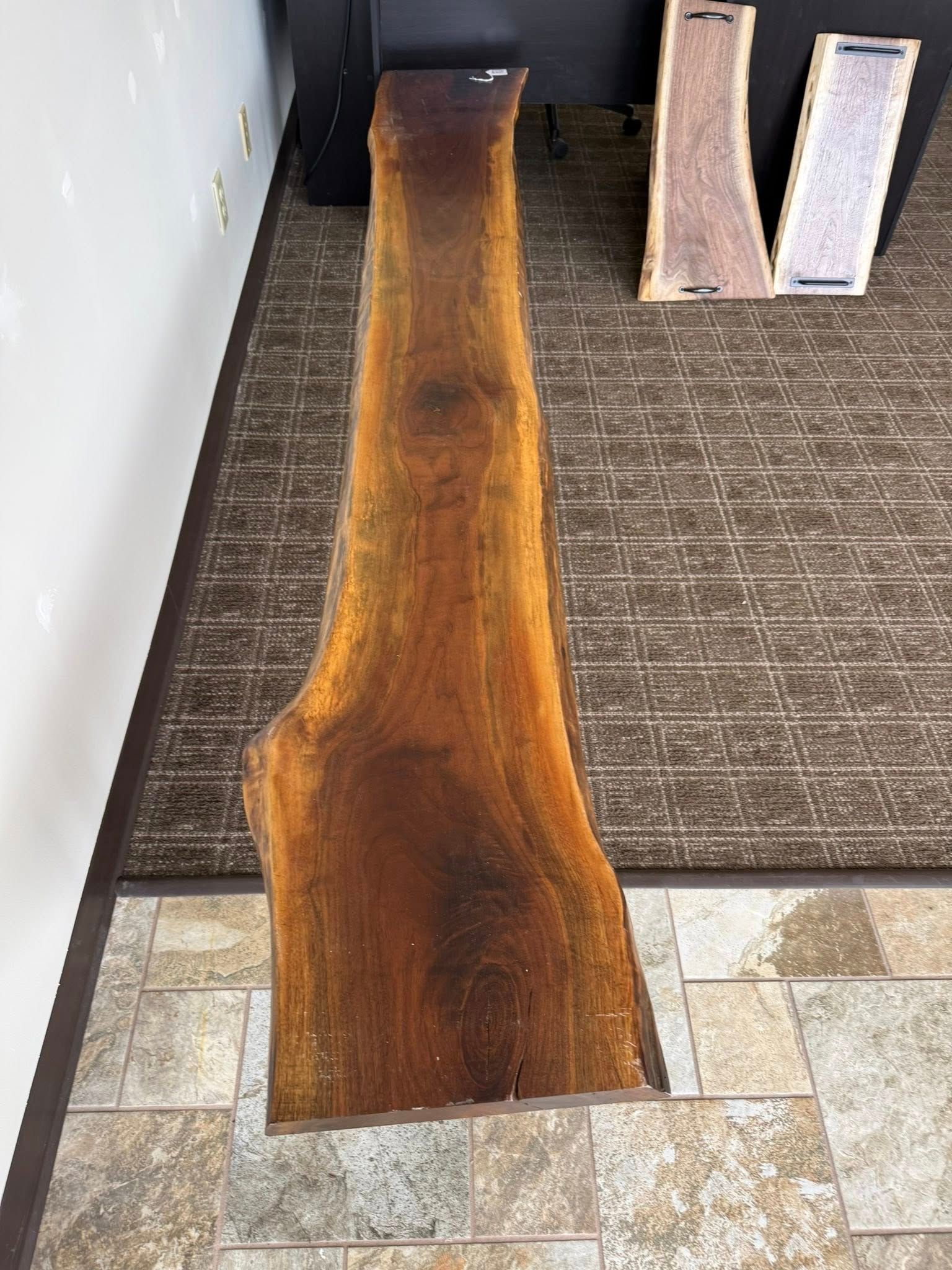
What Changes After Proper Shelving Is Installed
Custom shelves are milled to thickness and depth that prevents deflection under load, typically using hardwoods like oak or maple for strength or softer woods like pine for lighter-duty applications. Edge profiles can be left square and modern or shaped with routed details for a more traditional appearance. The finish protects the wood and allows it to be cleaned without absorbing moisture or stains from objects placed on the surface.
After installation, the shelves transform the wall into usable vertical storage, eliminating clutter from floors and countertops while displaying items at eye level where they're accessible and visible. The shelves remain level and stable, and the wood's grain and finish add warmth to the room. Because the shelves are sized to the wall, they fit proportionally without awkward gaps or overhangs, and the spacing between shelves accommodates the actual height of your items rather than forcing you to adapt to fixed intervals.
Shelving projects often involve decisions about whether to include adjustable shelf pins for flexibility, how many support points are needed based on span length, and whether to incorporate backing panels, lighting, or integrated brackets. Floating shelves require concealed mounting rods or heavy-duty wall anchors to support weight without visible brackets, while open shelving uses decorative brackets or standards that become part of the design. Installation in Davenport and nearby areas accounts for wall construction—drywall requires anchoring to studs or using toggle bolts for hollow sections, while plaster or masonry walls may need different fastening approaches.
Questions Before Starting Your Project
Property owners typically have questions about the process and practical considerations before ordering custom shelves.
What shelf thickness prevents sagging under heavy loads?
Shelves supporting books or equipment typically require 1-inch thickness for spans up to 3 feet, with thicker material or additional support needed for longer runs or heavier objects to prevent deflection over time.
How are floating shelves mounted to support weight invisibly?
Floating shelves use steel rods or channels embedded into the wall studs and inserted into routed channels in the shelf, transferring the load directly to the wall structure without visible brackets or hardware.
What wood species balance cost and durability for shelving?
Oak and maple provide excellent strength and resistance to denting at moderate cost, while walnut offers premium appearance with good durability, and pine delivers a budget-friendly option for lighter-duty shelving applications.
How is shelf spacing determined for custom installations?
Spacing accounts for the height of items that will be stored—taller objects like large books or equipment require wider gaps, while smaller items allow for closer spacing that maximizes vertical storage capacity.
What finish options work best for shelving in Rock Island homes?
Natural oil finishes allow the wood grain to remain visible and can be touched up easily, while polyurethane or lacquer topcoats provide more durable protection against scratches and moisture in high-use areas like kitchens or workshops.
QC Sawmill builds shelving that solves specific storage challenges while adding finished detail to your walls. Get in touch to request custom shelves designed for your space and needs.